Gore Verbinski’s ‘Good Luck, Have Fun, Don’t Die’ Is Strangely Derivative
Good Luck, Have Fun, Don’t Die. Constantin Film
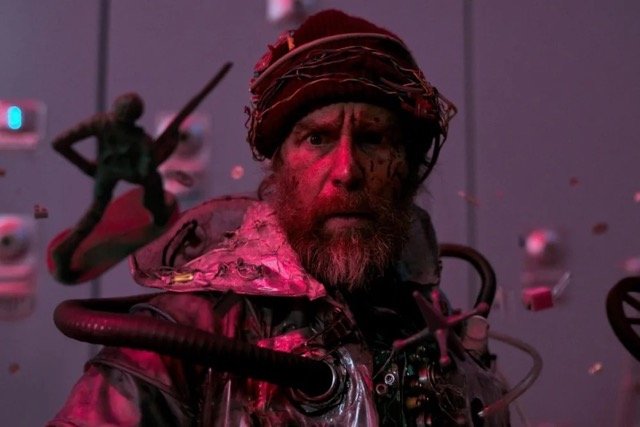
As he holds the diner patrons hostage, his thumb on the trigger of his DIY raincoat/vest combination he claims is rigged to explode, the man from the future (Sam Rockwell) breaks from his monologue to admit, “I’m in a weird mood tonight.” And if you find yourself in a weird mood late one evening, then Gore Verbinski’s Good Luck, Have Fun, Don’t Die might just be the right movie for you.
Rockwell’s unnamed, would-be hero doesn’t really want to harm anyone here in this L.A. diner. In fact, he needs their help in a last-ditch attempt to save the world from A.I. If they can't find a way to stop it, he warns, all of humanity—or at least the half that survives—will be trapped in the A.I.'s simulacrum of reality. It's a bleak future, but for now, at least, Rockwell's soldier still has a mouth, and he will be screaming. Last-ditch isn’t quite accurate, either, as he’s already tried this same gambit one hundred and sixteen times before, all ending in failure (and lots of death). But if only he can muster the right crew to join his quest, then humanity may just have a shot.
Verbinski opens his gonzo sci-fi thrill ride with Rockwell’s extended tirade that sets the tone and tenor of Good Luck right off the bat. From the first frame to the last, the film is out to take swings at the way technology is transforming our lives. A brief example: “Your fascist selfie culture has ruined your critical thinking.” By the time I’d finished jotting that one down, Rockwell had unleashed at least three other similar attacks. Subtlety isn’t always the right target, and Good Luck makes it clear that its sights are aimed elsewhere.
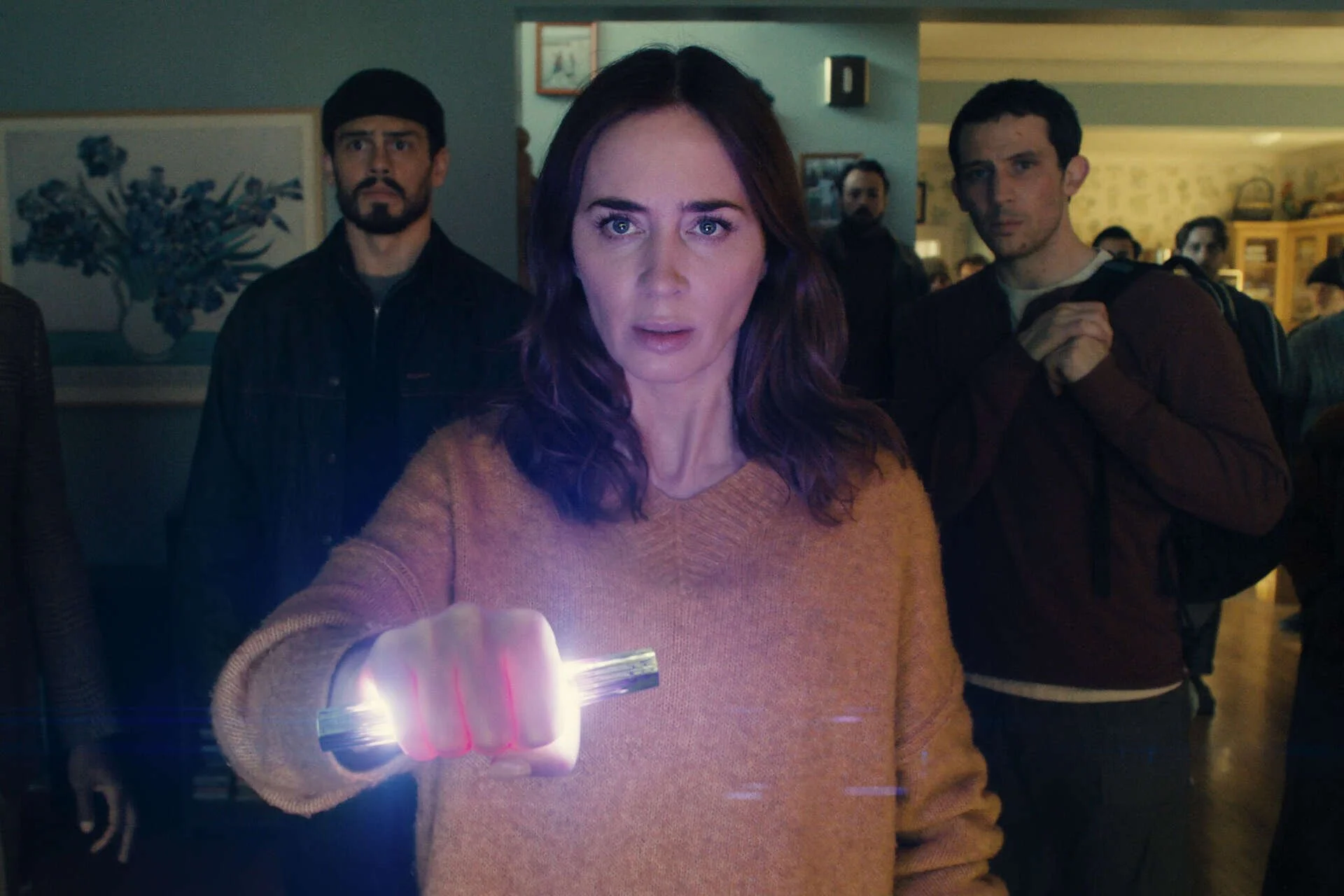
A team is eventually assembled out of Ingrid (Haley Lu Richardson), Susan (Juno Temple), Mark (Michael Peña), Janet (Zazie Beetz), Scott (Asim Chaudhry), and Marie (Georgia Goodman). Their mission is to race across the city—avoiding the cops, mercenaries, and brainwashed teenagers along the way—to install safety protocols on the world-ending A.I. that is about to be invented by a nine year old boy. The real fun of Good Luck, comes almost entirely from watching the performances of this group. Rockwell is eminently watchable, and he adds enough pauses and resigned asides to his motormouth character to affect a weariness. His antics are counterbalanced by Haley Lu Richardson's Ingrid, who provides a serious anchor to the film. Ingrid is the only one who looks more absurd than the nameless future soldier, arrayed in a blue princess dress soaked from the rain; but Richardson locks in her character’s tone from the first flick of her eyes.
But the film buckles under the weight of its absurdity and superficial criticism. The script has the subtle, nuanced tone of a message board manifesto. Oh no, the teenagers! Have you noticed that they’re addicted to their phones? Oh no, VR headsets! Everything that Verbinski and screenwriter Matthew Robinson are critiquing deserves it: A.I. is a vapid trace of human creativity, and the harmful effects of social media addiction are widely acknowledged. But the level of criticism is hardly more than sketchwork, flailing one-liners that preach to the choir more than they serve as a wake-up call.
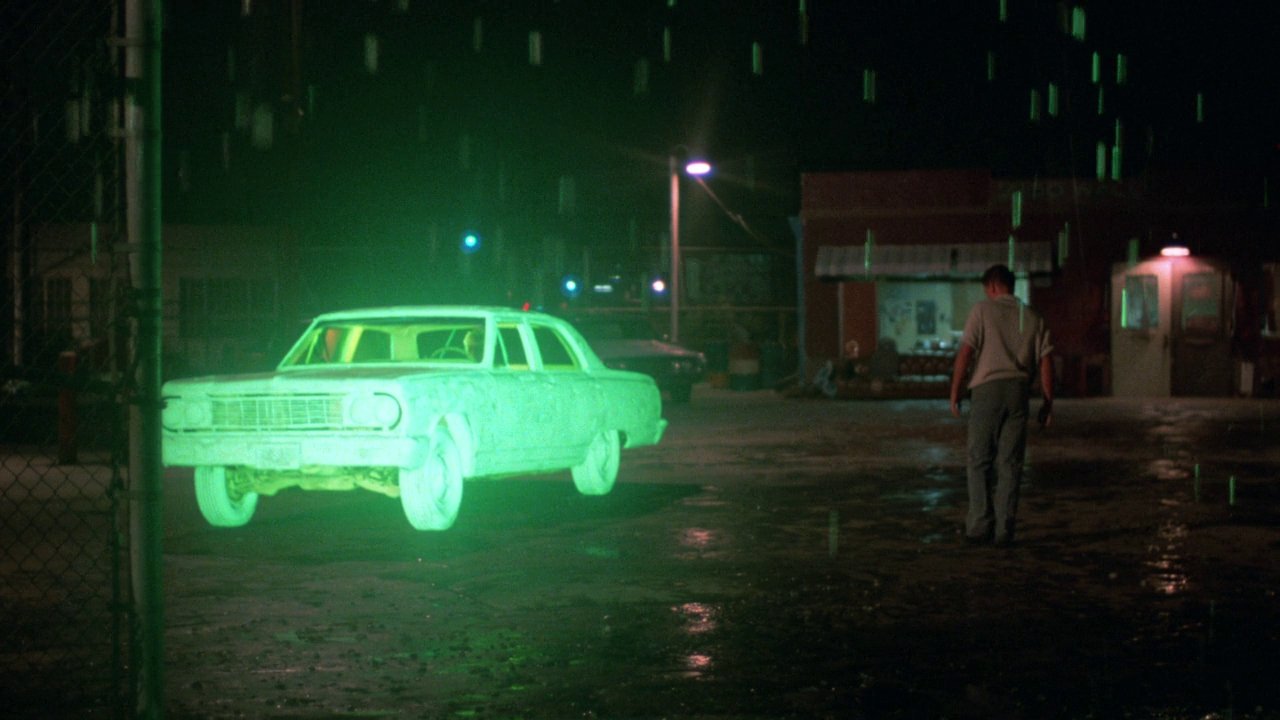
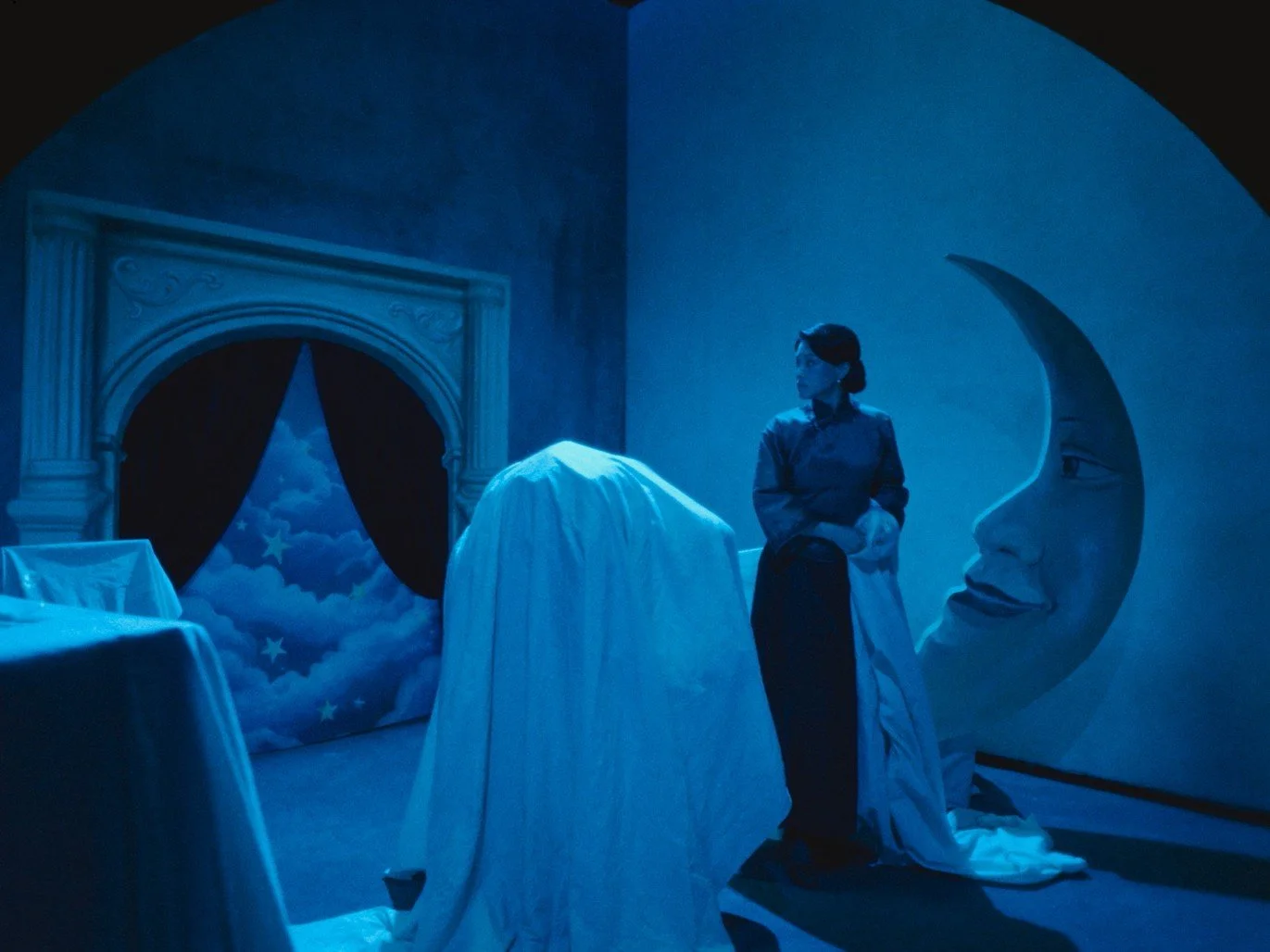
For a movie where the digitally rendered spectacle is equivalent to an apocalyptic wasteland, Verbinski relies heavily on bizarre CGI setpieces and video game structure. For a diatribe about the necessity of originality against simulation, the movie pulls a surprising amount from other films (and not subtly: some of the most famous scenes and images from Indiana Jones, Ghostbusters, and Toy Story are recycled here). Good Luck, Have Fun, Don't Die never bores, but—like a human trapped in an A.I.'s virtual reality—one has a gnawing suspicion that there should be something more real beneath its sheen.