ZDF
Sandra Wollner’s Everytime is a vision of survival and grief in the aftermath of one family’s apocalypse. Vision seems the only fitting word. The film is certainly no thesis, making little direct commentary on the nature of grief. Nor does it cohere as a clear story—mourning, after all, rarely unfolds linearly, so why should this movie? But what grief does come with is moments of emptiness ruptured by occasional, searing sensations. There are instances where the world falls away without warning, or where it’s all too much, the light too bright, and the colors too vivid. Or the everyday takes on an eerie quality: How could things continue so typically when there’s such immense pain? Everytime is built from these moments, these alternating sensations of flatness and the excruciating assertion of the world.
This is not a worldwide catastrophe, but it irrevocably alters the world for Jessie’s family. Jessie (Carla Hüttermann) lives with her mom (Birgit Minichmayr) and younger sister, Melli (Lotte Keiling) in the neighborhoods of Berlin. We see her and Melli prod each other, play with each other. We see Jessie and her boyfriend, Lux (Tristán López), do homework, take drugs, go to the club, and wander the streets. Hers is a life marked by the familiar longings and aches of any teenager looking ahead to adult independence. For now life seems generic. But the mundane can be shattered in an instant.
When the shatter occurs, it is purely visual, with no sound. No comment. It is all movement, all gaze, all observation. The shattering evacuates all air from the room, leaving the viewer to stare dumbfounded for a moment. But a flash and the world is different than it once was, leaving this family to sort through the wreckage.
Wollner blends a variety of styles that keeps Everytime from settling into any sense of normalcy. Home video, creepy drone footage, and even video game footage intercut the continuing daily routines of Jessie’s family. Eventually, her mom decides to relive the vacation to Tenerife that got cancelled, dragging Lux along with them. But there is no holiday from grief, and beauty can’t quell the seas of mourning. Tenerife will be the site of another staggering moment, one that unrests any sense of stability. The balance between coincidence, hallucination, and magical realism becomes tricky to resolve.
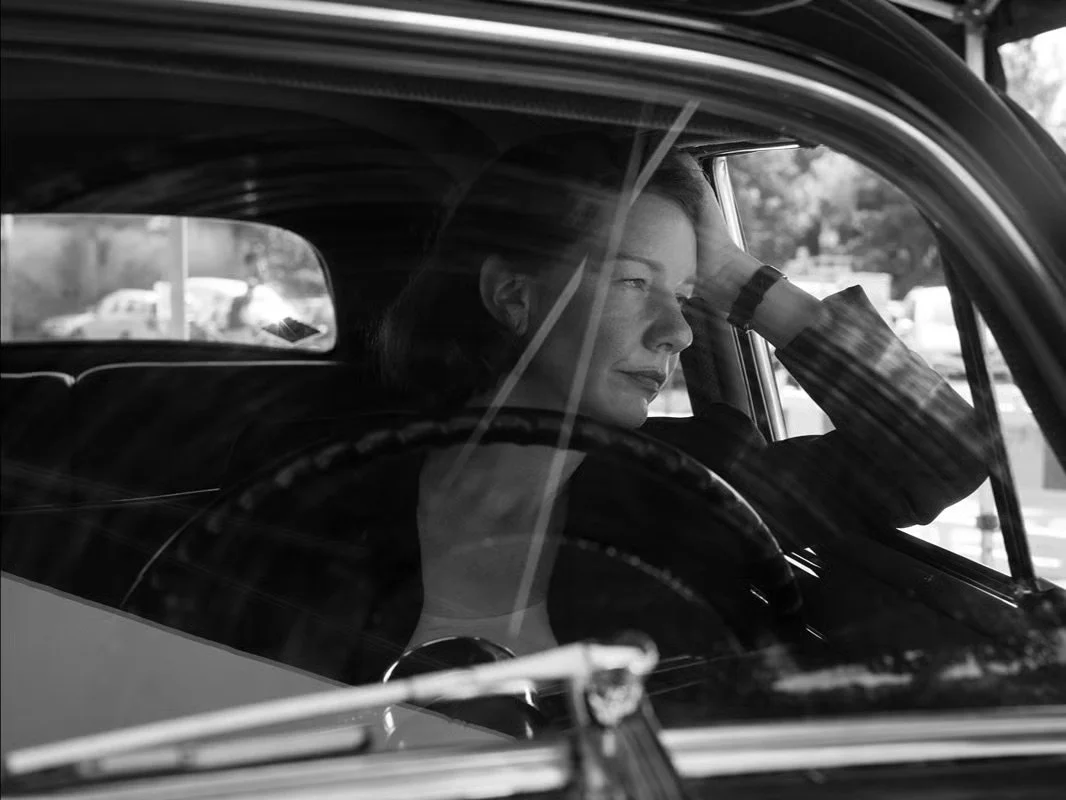
Everytime is shot by Gregory Oke (who also shot Aftersun), and he renders the world in unworldly colors and oneiric haze. His camera, like Jessie’s mom, offers a harsh comfort, a beauty that never forgets the hurt at the edges of the frame. The shot of Lux swimming in a river in Berlin is particularly exquisite, caught with such delicate light.
There are moments I won’t soon forget in Everytime. But the film lists aimlessly between these instances. I could say that, in this wandering, the film is reenacting the experience of grief—and that may be true. But it doesn’t strengthen the experience of Wollner’s film. Everytime is about the pieces of life that remain in the aftermath. Unfortunately, the film itself is only memorable in pieces.