Cosmic Salon Films
As Chronovisor opens, Beatrice Courte (Anne Laure Sellier) is discussing with colleagues about “where the memory is seated.” Courte is a professor of philosophy at Columbia University, and she’s fascinated by “the inner phenomenological architecture of [the] mind.” But there are certain places we were not meant to wander. Ideas too volatile to touch. Dreams that overwhelm reality. What if the architecture of one’s memory proved to be a labyrinth?
Jack Auen and Kevin Walker’s Chronovisor is a singular and destabilizing experience—it’s a film structured narratively and formally by experimentation. Drawing inspiration from Borges, Eco, and Bolaño, the film maps out a conspiracy preserved in footnotes and quotations. In her late night studies, Courte stumbles across references to a machine that can re-visualize the past, a machine referred to as the Chronovisor. An enigmatic priest named Father Pellegrino Ernetti claimed to have developed this technology and used it to see, among other things, performances of ancient plays long lost to history. He even claimed to have witnessed the face of Jesus Christ on the cross.
Who wouldn’t be intrigued? Like any dutiful academic, Courte digs into all the sources she can get her hands on. What at first seems a curiosity becomes a rabbit hole; but when she wanders down, she discovers that the folding of history and the recursion of psychology can become a trap from which there’s no escape.
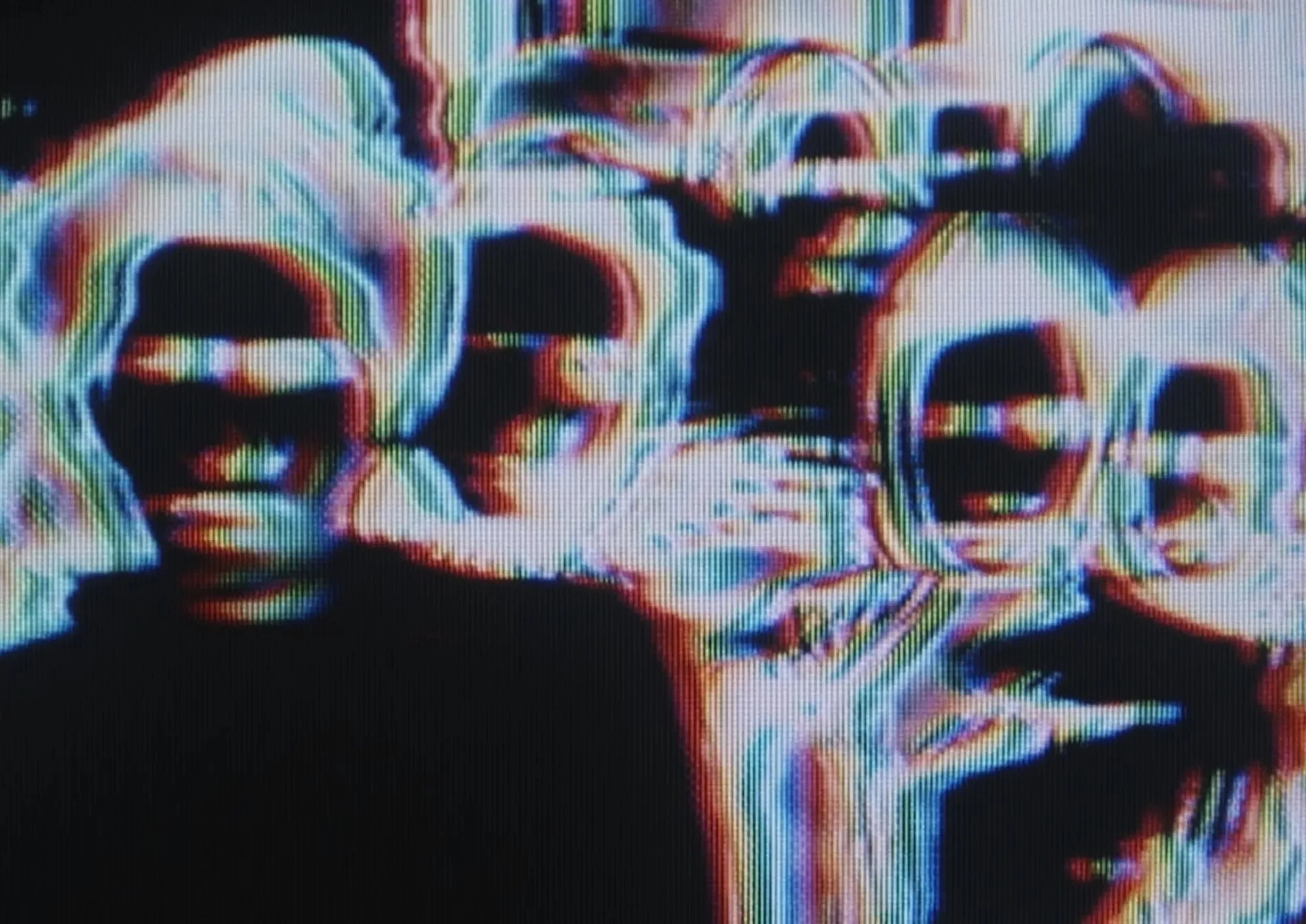
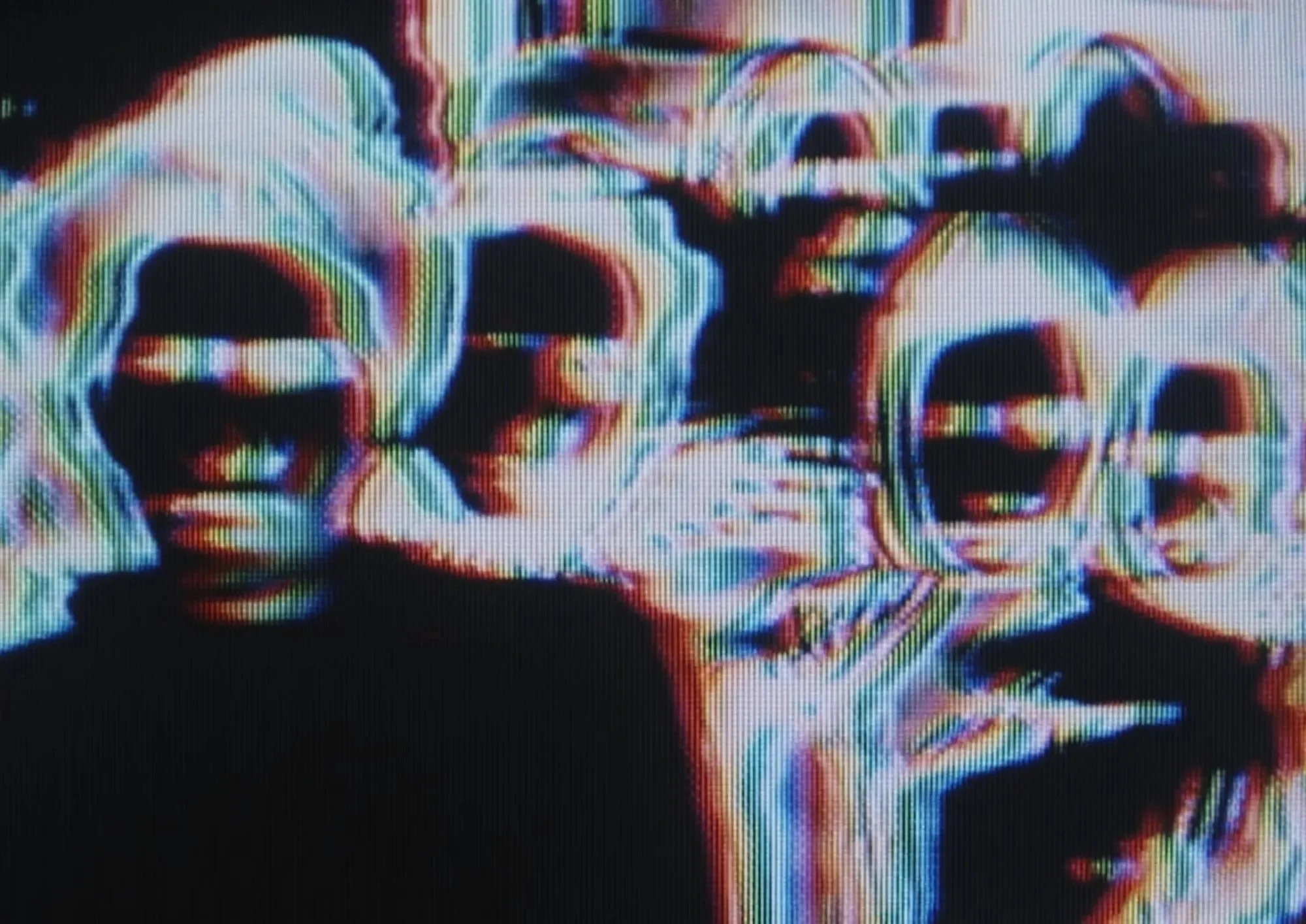
The film is deceptively staid, as it is largely constituted by scenes of Beatrice researching texts (many of them from real sources) and watching archival footage of Ernetti. Chronovisor extends in long stretches without any dialogue and little action, lulling the viewer deeper a singular communion with the mystery being explored. Auen and Walker formulate a technique to turn the practice of scanning texts into a cinematic act—this is a movie that will make you read. But there is a strange pleasure in that work of bridging the gaps between books and articles, piecing together what really is going on with Ernetti and his rumored invention. By forcing the audience to put in the work, and through the insulated atmosphere of empty libraries and silence only broken by the compositions of Gustav Holst, Chronovisor insinuates the audience in this gnostic conspiracy.
Adding to this destabilizing feeling is the realization that much of the material is culled from the real world. Ernetti was a real person: you can read about his Chronovisor claims on Wikipedia. Many of the articles and books that Courte reads through are actual artifacts. This fact makes Auen and Walker’s story an inventive achievement. They have pieced together snippets to create a mystery that feels wholly imagined. As storytellers indebted to Eco and Borges, they find playful deceptions in their construction. Courte eventually speaks on the phone with those who knew Father Ernetti, including Peter Krassa and Francois Brune. These two are also real people—but they’ve both been dead for many years.
It’s fitting, though, for Chronovisor is all about the voices (and images) of the dead. The residual waves of history still make their tides felt in the present. If only we could develop a camera to catch those “atomic ghosts” radiating through time, perhaps we could answer all the mysteries of the past. But maybe that pursuit would also ensnare us, destroy the circle of time and throw us into an unsolvable architecture of memory and history.
Chronovisor isn’t going to be for everyone. But for those who are drawn into its gnostic mystery, it will be an experience you can’t shake. It’s undoubtedly one of the most esoteric films of the year. It’s also one of the very best.