The Recovery Drama ‘At the Sea’ Is Overly Familiar

At the Sea. Hammerstone Studios
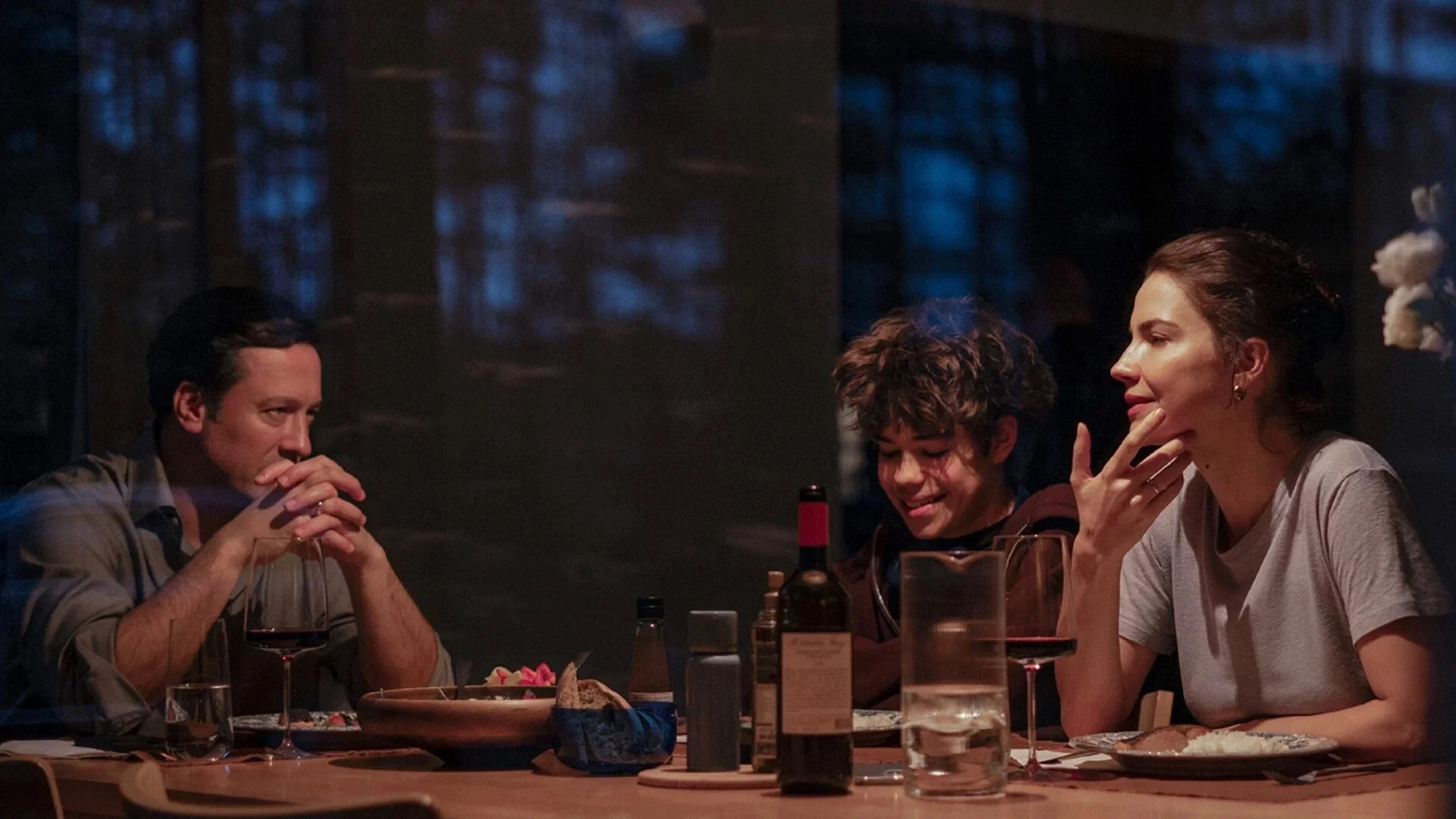
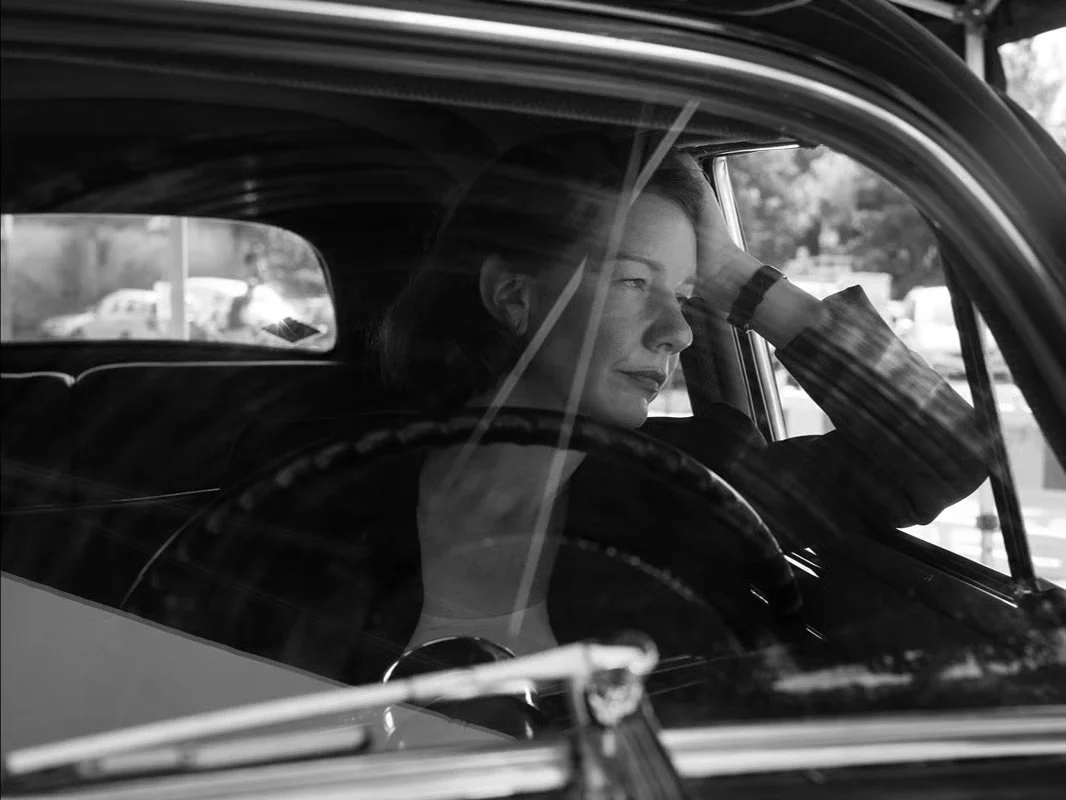
With At the Sea Kornél Mundruczó has delivered a film that exemplifies the category of “fine.” The film is an addiction recovery drama that follows Amy Adams’ Laura as she exits a rehabilitation facility after drunk driving and getting into a car accident while her son was with her. How do you return after such a violation of the whole purpose of parenting? How do you reclaim normalcy when the knowledge of that event permeates every conversation, where every decision is cast into suspicion?
Laura returns home to find herself on rocky ground with her husband, Martin (Murray Bartlett), teenage daughter, Josie (Chloe East), and her son. It’s not clear that they were ever exactly flourishing—Laura is marked as an obsessive artist, a daughter sorting through her troubled relationship to her visionary father, and the inheritor of a dance studio that sucks away much of her time and sanity—but they’re undoubtedly volatile now. Everyone’s either throwing emotional Molotovs or walking on the remaining broken glass.
While her family is hesitant, interrogating every glance toward a bottle or late arrival, her friends and colleagues are bewildered at where she’s been. Her famed dance company is on the verge of collapse in her absence, and Rainn Wilson, Jenny Slate, and Dan Levy all show up to chafe against her hesitation.
We’re firmly in melodrama territory (as the script handily points out in one exchange). But this is a melodrama that does little to surprise through its familiar arc. The screenplay, save for one or two expressive dance scenes, is generically flat, and the various tensions and eruptions between the characters are easy to plot out in advance. At the Sea’s thematic motifs are similarly pedestrian. The narrative incorporation of dance brings a spark of energy, but that never gets built up into a full flame. Kites provide the other recurring image, and together they evoke ideas of fluidity, balance, and contortion. These are potentially fruitful seeds for a character study of recovery, but the script makes them obvious in one moment before downplaying and discarding them the next.
At the Sea is still the setting for a strong performance from Adams, who is in a similar register to her character in Arrival. There’s even some intoned voice-over, but here the function of memory is for denial and reshaping one’s self, not coming to terms with grief and revelation. Adams is certainly up to the task, but it’d be more thrilling if that task was more challenging.
At the Sea is skillfully arranged and pretty enough, but little more. If you’re avid for another great Amy Adams film, you’ll find something to reward your time. If you’re looking for something more profound, unsettling, or transformative, however, At the Sea may leave you feeling a bit marooned.