A24
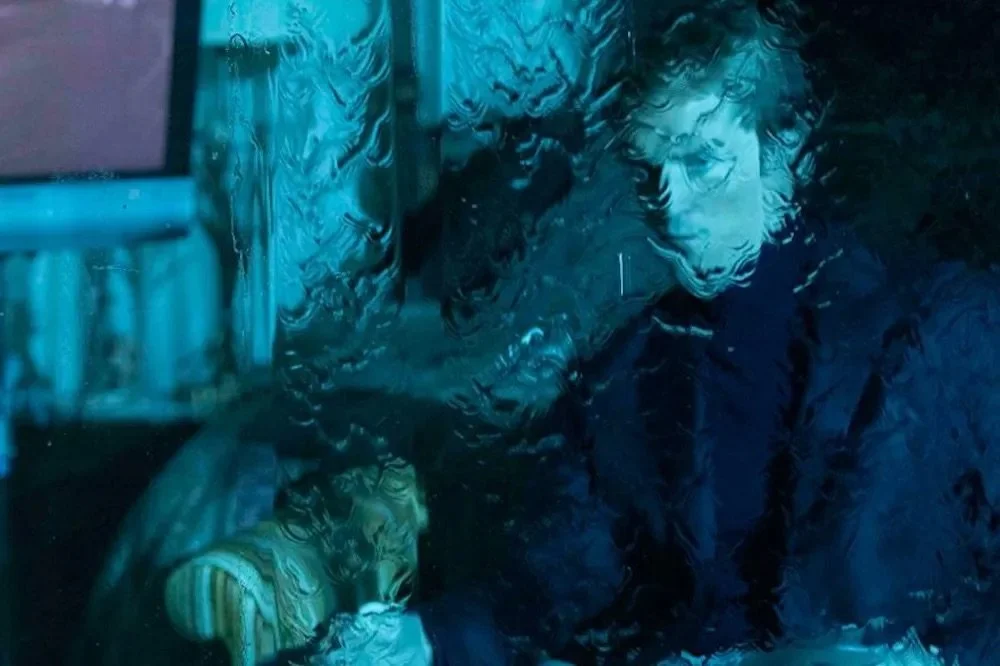
Kristoffer Borgli’s The Drama opens on a close-up of an ear. The sound is muted, as though we’re hearing the environment underwater. Already there’s something that’s keeping us distanced from the world: we don’t really know where we are, what we’re doing here, or whose ear this is. The Drama forestalls situating us in a comprehensible reality, and despite the brevity of this moment, it feels uncomfortable.
Well, you better get used to that feeling. The Drama, starring Zendaya and Robert Pattinson, is full of discomfort. Some of that falls under the cringe comedy umbrella, but a good portion of it is simply upsetting. Depending on your reaction to the film’s narrative pivot—it’s hard to call it a twist when it occurs in the first thirty minutes and stages the rest of the action—those feelings may morph into sadness, anger, or distress. But there’s a conversation The Drama is interested in initiating, and the viewer ready to engage those thorny feelings might find the substance beneath the drama.
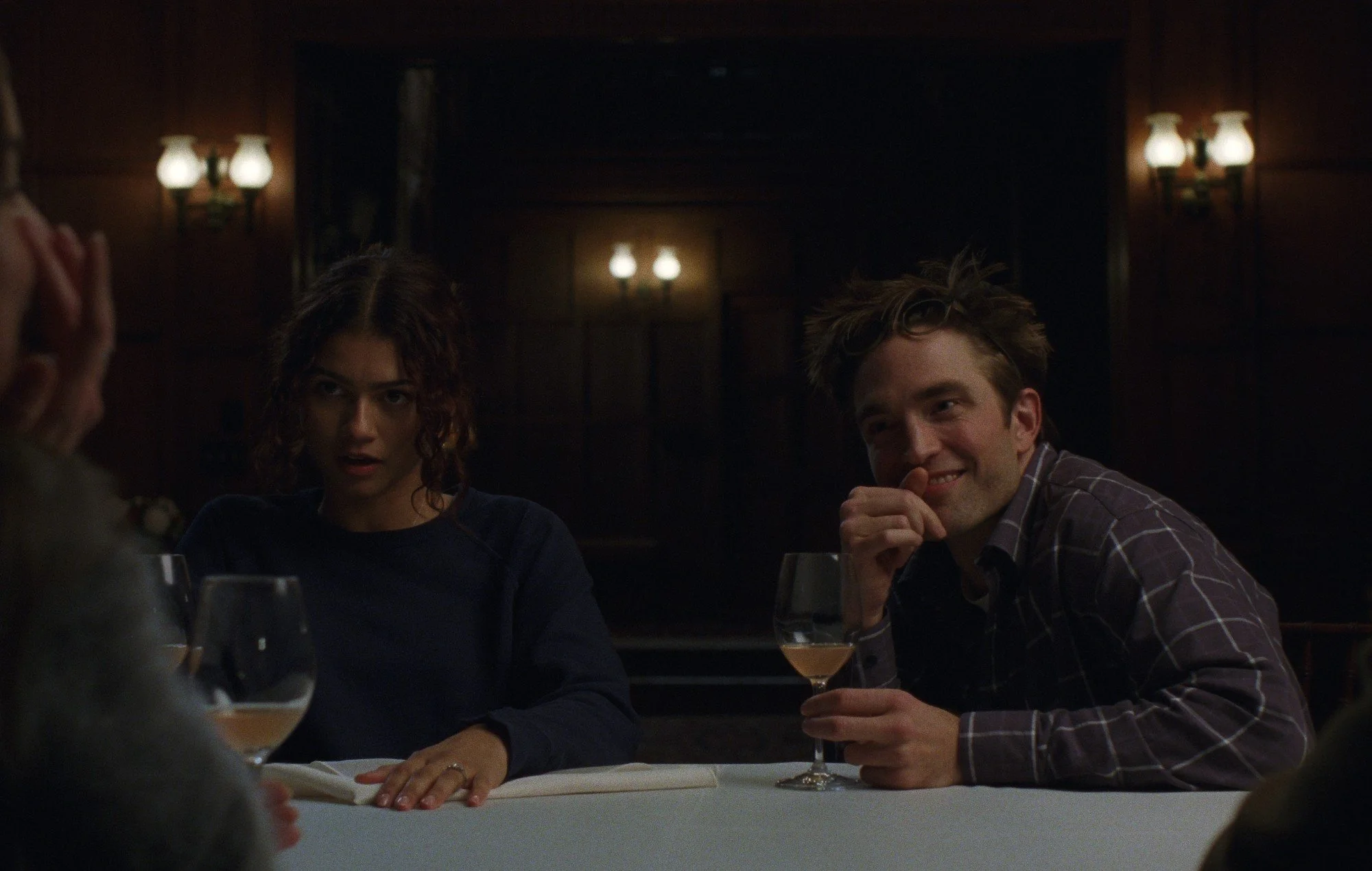
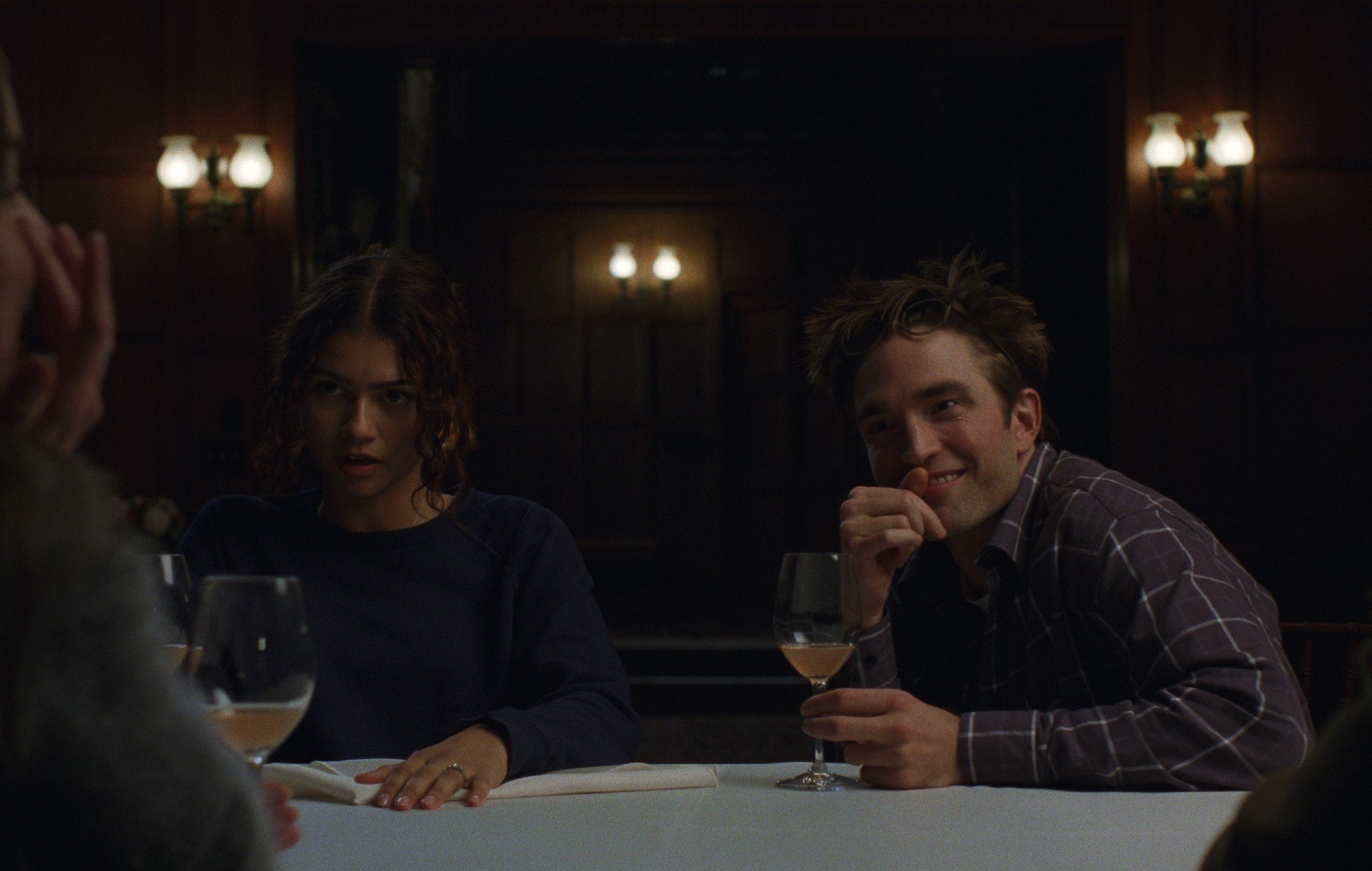
Zendaya and Pattinson play Emma and Charlie, a couple quickly approaching their wedding and rushing through the last stages of planning. There’s always so much to do: finalize the photographer’s shot list, make a final decision on the menu, write speeches, arrange flowers. It’s a maddening time even before Emma and Charlie are enticed into revealing the worst thing they’ve ever done. Maybe it’s meant to relieve the built-up pressure, but it doesn’t work out that way: instead, one of their revelations goes far beyond what the other is prepared to handle. To make matters worse, they haven’t just confessed to each other, but also to the best man and maid of honor.
I will attempt to evade spoilers, but the entire movie hinges around this revelation. It’s the make or break point for the audience, and reviewers have either found it a bold, smart maneuver, or have had absolutely no appetite for it. Knowing the skeleton of the plot going in, I was predisposed to anticipate something along the lines of a sexual betrayal. So-and-so slept with someone else in the wedding party or somebody’s best friend. I was certainly far off in my guess, and my eyes certainly widened at the delivery of a single line.
I appreciated being surprised, but the revelation also posed a significant challenge for the film. How to carry its energy forward and do justice to its subject would be no small feat. Thankfully (and perhaps surprisingly), the next hour unravels with real intelligence and realism, largely due to the lead performances. Zendaya and Pattinson—whose characters are unraveling, as well—are both excellent, each bringing distinct characterizations that build a strong comedic and emotional rapport together. Pattinson is a grade-A dork, stumbling through a meet-cute like a contorted, more socially inept Hugh Grant. Whether he’s crying while dancing alone or making an ill-timed joke, he’s a delight to watch. Zendaya meets that with an initially confident energy that gradually crumbles in pain and fear as they get closer to their wedding.
The Drama is also wise to drop the comedy, or at least restrain it to certain interactions and lines. Once its subject is out in the open, the film becomes far more circumspect and emotionally harrowing—if still awash with provocative imagery. Borgli’s previous film, the surreal Nicholas Cage drama Dream Scenario, played with the distortion of reality and imagination as part of its structure, but such disorientation is far more resonant in The Drama. Moments are taken as factual before we recognize that we’re seeing a character’s worst fear play out in their mind; or flashes of imagery throw us into a psychological space all while the day-to-day continues around Charlie and Emma.
For most of the film’s runtime, The Drama is far smarter and more challenging than I anticipated. It’s not invested in mere provocation but in what emotional responses are provoked in its characters (and in us). When does uncomfortable laughter cross the line to distress? When precisely does relational rupture occur? Are we really ready to let people confess and change, to welcome them back into general society? When the wedding finally arrives, however, the tightrope walk loses its balance. The Drama stumbles—outright collapses—in its culmination as it no longer avoids the traps of cringe comedy cliches. Instead, it steps right into every single one, resulting in disappointment that the originality couldn’t be sustained to the end credits.
Borgli has made a radically prickly film, a challenging one that will inevitably distance (even offend) many audience members. But The Drama’s real challenge is more subterranean. It’s not only about what you would do if you learned a truly awful fact about your partner. What would you do if you learned that in the week before your wedding—a time when you have no time, no mental space, no emotional capacity to process that revelation? Movies can often be frustrating when the characters could solve their relational problems by just having an actual conversation. The conceit of The Drama is to place this burden on these characters when they can’t do that. Every attempt to talk is interrupted by an appointment with florists or photographers. To twist the knife even further, it’s the week when their relationship is under the most public visibility and scrutiny it ever will be.
“Do you want to start over? Do it again?” Emma offers this chance to Charlie in the very first scene, and it forms a refrain throughout the movie. Long before knowing when the story would go, these lines brought to mind the ending of Richard Linklater’s Before Midnight, another film about witnessing as a relationship is cauterized. And yet, like that film, it’s an opening that may be, just may be, hopeful. For the jarring ride that is The Drama, such an opening might be a saving grace.